
Building South Africa’s “Animal Farm” of Businesses
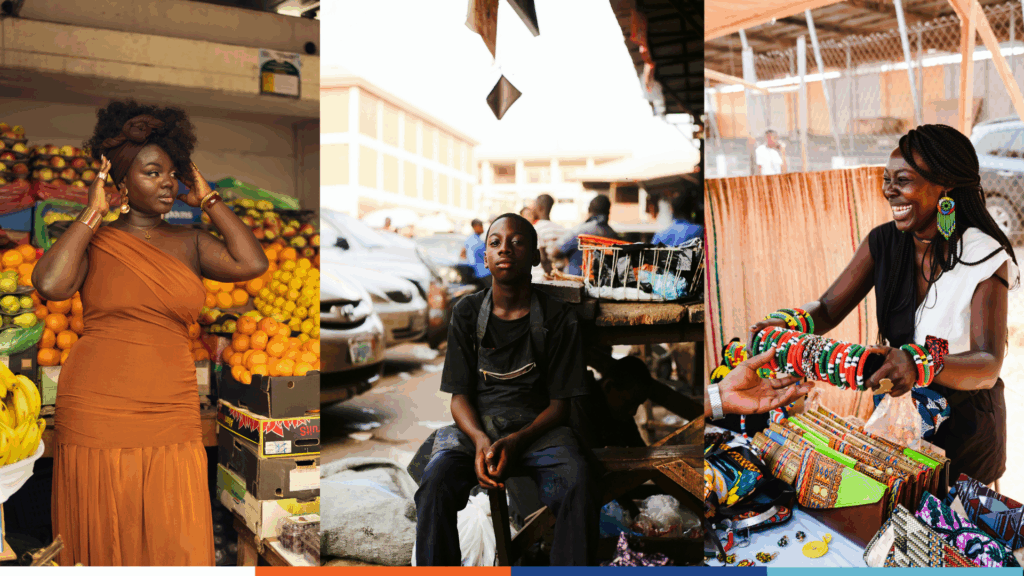
When the world talks about entrepreneurship, the spotlight often falls on “unicorns”, billion-dollar startups that disrupt industries and dominate headlines. But in South Africa, that framing misses the point.
Here, entrepreneurship isn’t always about disruption. Often, it’s about dignity.
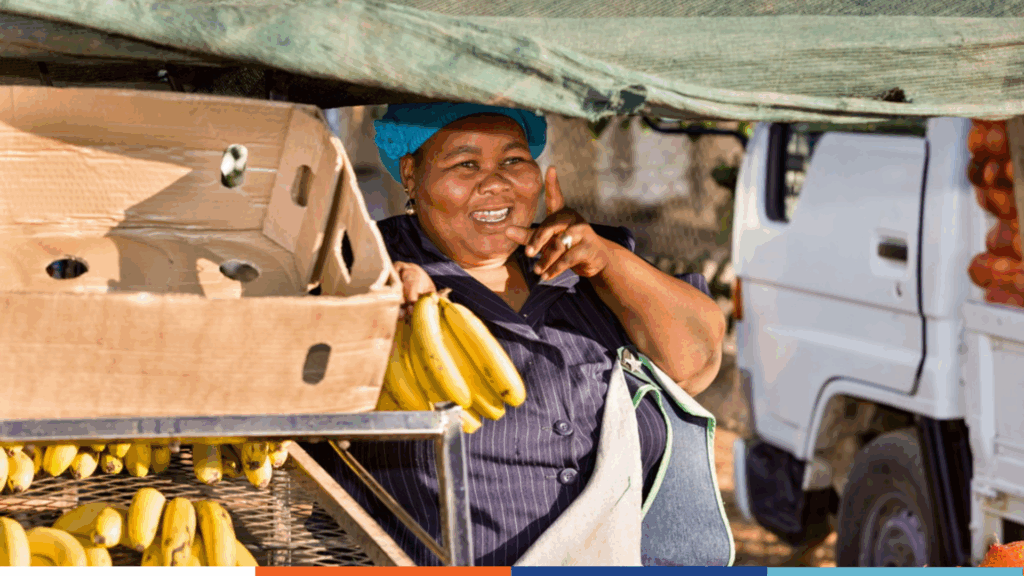
It’s about building something that pays the bills, feeds a family, or employs a neighbour. It’s about the street vendor, the side hustler, the micro-enterprise, the animal farm of businesses that quietly keep South Africa’s economy alive.
The Hustle Economy Is the Real Economy
South Africa’s entrepreneurial landscape is not short of ambition. What it’s short of is inclusion.
According to the Small Enterprise Development Agency (SEDA), more than 70% of South Africa’s enterprises are informal, collectively employing millions and contributing up to 18% of GDP.¹ In townships and peri-urban areas, entrepreneurship is often not a choice; it’s a necessity.
Yet(and we say this with no shade), many entrepreneurship programmes still cater to a narrow audience: those with scalable models, investor decks, and access to networks.
That doesn’t always translate for the wheelie-bin cleaner, the juice vendor, or the instant coffee seller trying to formalise their trade. Their success isn’t measured in funding rounds; it’s measured in consistency, community trust, and resilience.




The System Is Evolving — Slowly but Surely
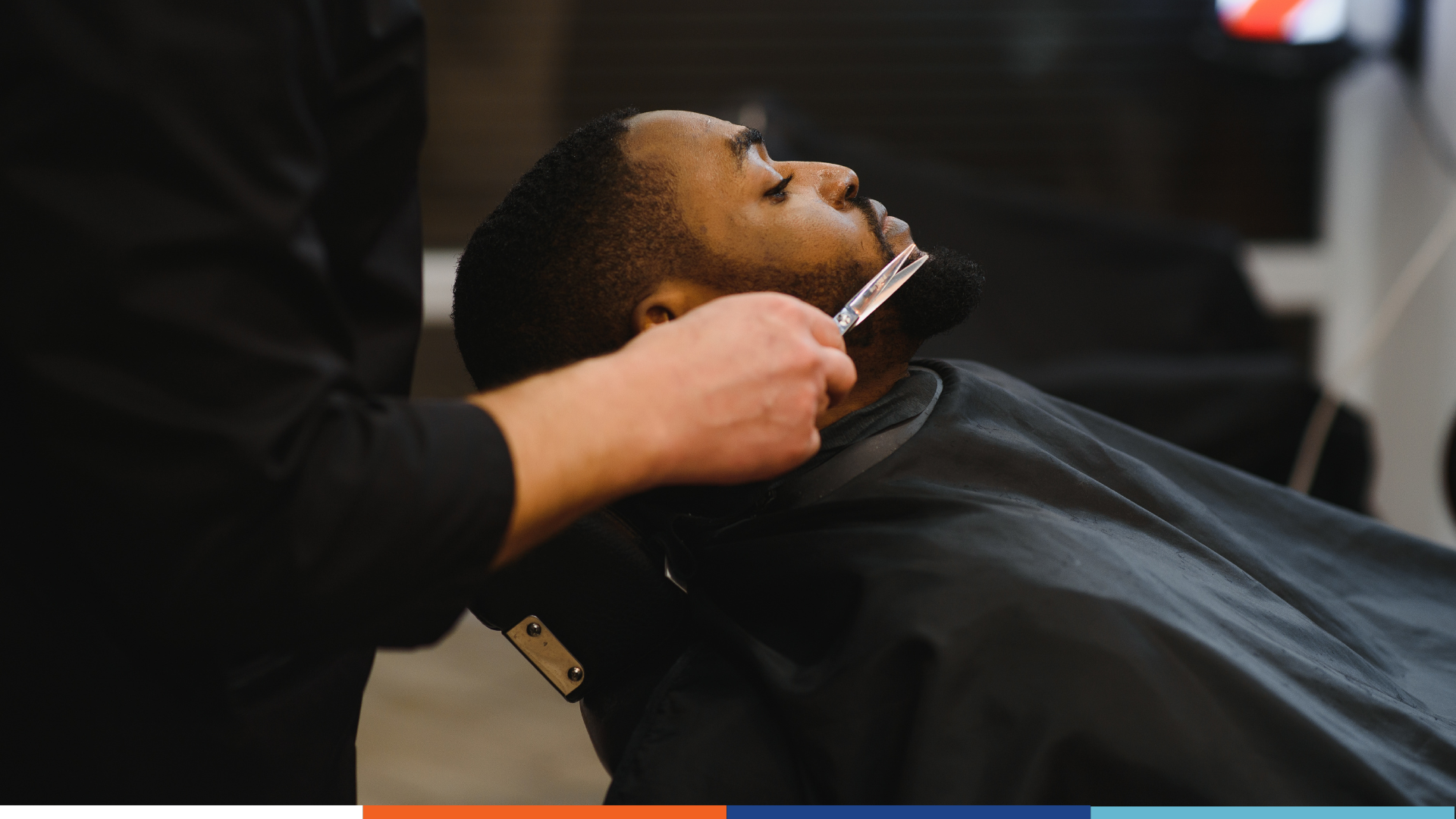
There are signs that South Africa’s formal ecosystem is shifting to include more types of businesses.
Platforms like Yoco and iKhokha are helping small traders accept digital payments and build transaction data that makes them visible to lenders. Yoco, for instance, now supports over 300,000 small businesses across the country.
Meanwhile, digital-first banks like TymeBank and Bank Zero are lowering barriers to entry. These platforms offer no monthly account fees and drastically reduced transaction costs compared to traditional banks. TymeBank’s business account, for example, allows free account setup and low-cost withdrawals, while Bank Zero offers free EFTs and card swipes, a game-changer for micro-entrepreneurs who previously couldn’t afford banking fees.
These may sound like small shifts, but they’re opening up access to basic financial tools, giving entrepreneurs their first taste of formal banking and data-backed credibility. That’s inclusion in action.

Lucha Lunako’s Perspective: Building for the Real Economy
At Lucha Lunako, we believe South Africa’s future won’t be built by chasing unicorns; it’ll be built by nurturing ecosystems that make room for all entrepreneurs.
Our Street Smart Upstarts and Business Booster programmes are designed to support young people to turn small hustles into stable, income-generating ventures.
One participant started a wheelie-bin cleaning business with startup inputs from Lucha, basic cleaning materials and business coaching. Today, he’s generating consistent income by servicing his community.
Then there’s Breakthrough Blend, a Khayelitsha-based juice company. After catering at one of our Business Booster events, the founder used his proceeds to buy new equipment, expanding his product range and growing his client base.
We also collaborate closely with Siki’s Koffee, a locally rooted but globally inspired coffee brand founded by world-travelled barista Sikelela Dibela. From a small café in Khayelitsha, Siki has grown his business to roast and package high-quality coffee for local and retail markets. His café has become a cultural and entrepreneurial hub, hosting events, showcasing artists, and inspiring young people to pursue their dreams.
These are not side notes to South Africa’s economy.
They are the economy.
The Hardest Job in the World
Let’s be honest: entrepreneurship in South Africa is tough, especially when it’s driven by survival, not choice.
The journey to financial freedom is long and often lonely. And when you don’t have a safety net, no savings, no collateral, no mentor, the climb feels steeper.
That’s why we need to make it easier to start, sustain, and succeed, particularly for the entrepreneurs operating at the base of the pyramid.
Because if they’re taking on one of the hardest jobs in the world, they shouldn’t have to do it alone.
What Needs to Change
If we want to truly harness South Africa’s entrepreneurial potential, we need to keep shifting our mindset and our systems.
That means:
- Financial products that fit informal realities. We need more microloans and savings products designed around fluctuating income and daily turnover.
- Training that starts with mindset and money basics. Before we talk about scaling, we need to talk about survival and sustainability.
- Digital inclusion that’s truly affordable. Access to more tools that help collect data, Wi-Fi, and platforms that help entrepreneurs record, market, and transact easily.
- Bridging formal and informal ecosystems. Create pathways that help informal traders transition into compliant, bankable small businesses without losing their community roots.
- Redefining success. Instead of measuring every business by its potential to scale or attract investors, society needs to redefine what success looks like. A business that pays school fees or sustains a family through a tough season is just as successful and just as worthy as the next unicorn.
The Bigger Picture
South Africa doesn’t need to manufacture mythical unicorns to prove it’s entrepreneurial. It needs to build an environment where every business, from micro to medium, can thrive.
When we design for inclusion, we don’t just grow businesses. We grow confidence, employment, and resilience.
And maybe, just maybe, when we nurture our animal farm of businesses, we’ll fuel the bigger picture: a more balanced, creative, and self-sustaining economy.
Because real innovation doesn’t only come from capital.
It comes from context and necessity. And South Africa has one of the richest, most creative contexts in the world.


