
Redpath Mining South Africa (Pty) Limited: Engineering the Future through Youth Development
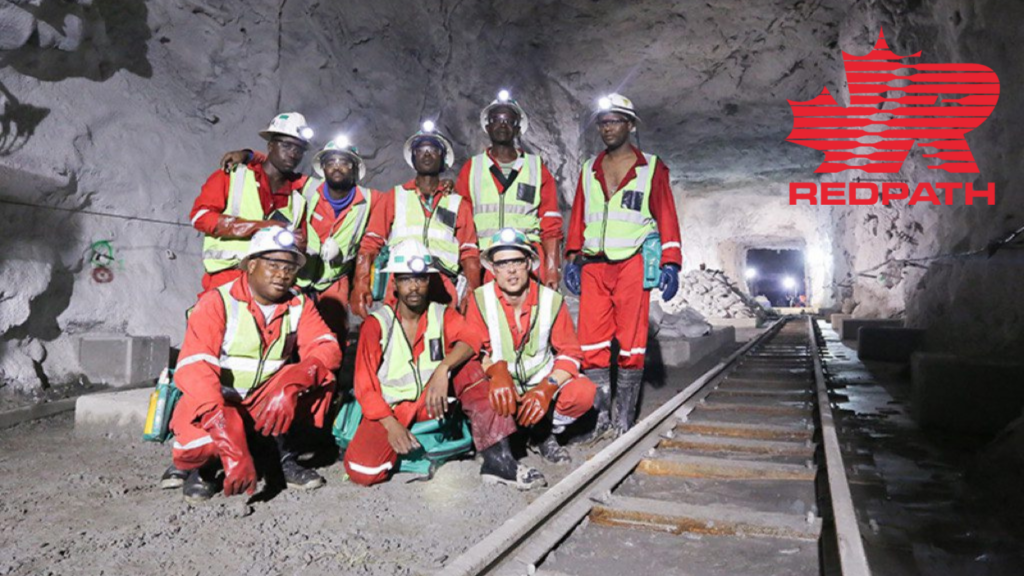
In the evolving landscape of the South African private sector, corporate leadership is increasingly defined by the ability to merge operational excellence with meaningful social transformation. Redpath Mining South Africa (Pty) Limited is setting a new benchmark in this regard, leveraging the Youth Employment Service (YES) programme not merely as a compliance-driven exercise, but as a strategic engine for youth development and national growth.
Redpath Mining South Africa (Pty) Limited have partnered with Lucha Lunako since 2020, where they have supported 89 young professionals through the YES Youth programme as well as 54 learners through learnerships. By integrating the YES initiative into its youth development portfolio, Redpath is not just ticking a box; it is building a high-impact pipeline of talent that strengthens both its B-BBEE scorecard and the industry’s future.
YES Youth and Talent Acquisition
Redpath understands that a successful youth initiative requires more than just placement; it requires a structured environment where young talent can thrive by integrating industry best practices to deliver maximum impact.
Redpath Mining South Africa (Pty) Limited works together with its partners to recruit talent through the YES eligibility criteria:
1. Black youth
2. Aged between 18 and 35
3. Currently unemployed
This year, the company is sponsoring 15 youth through the YES Youth programme in the following fields:
- Culinary
- Tourism
- Engineering and makerspaces
- Cultural events and entertainment
- Literature
- Sales
- Digital skills development and innovation
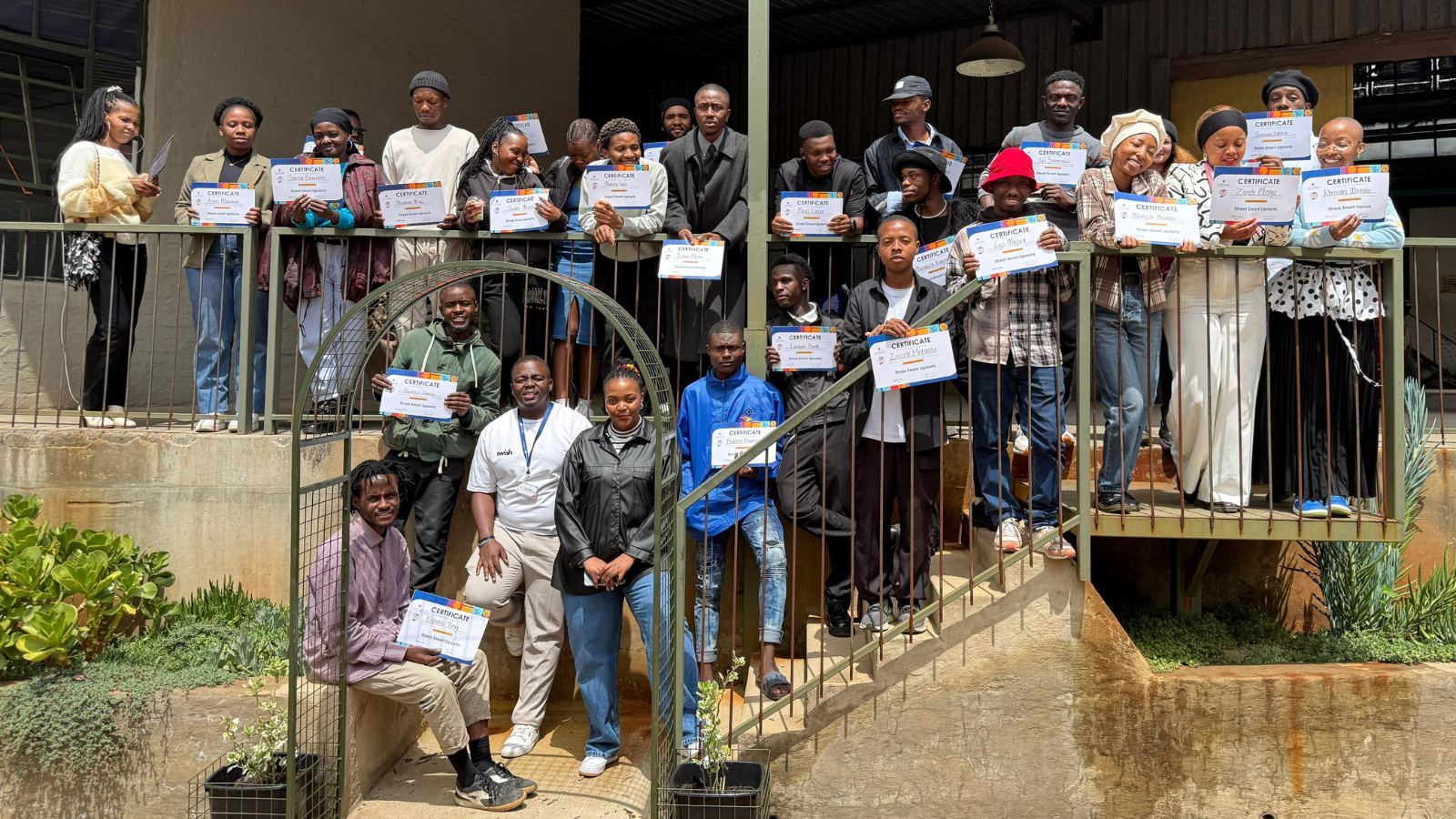
Redpath Mining South Africa (Pty) Limited provides the stipends for young professionals, working with Lucha Lunako and Simanye to find host organisations in which to place them for 12 months to get their first job experience.
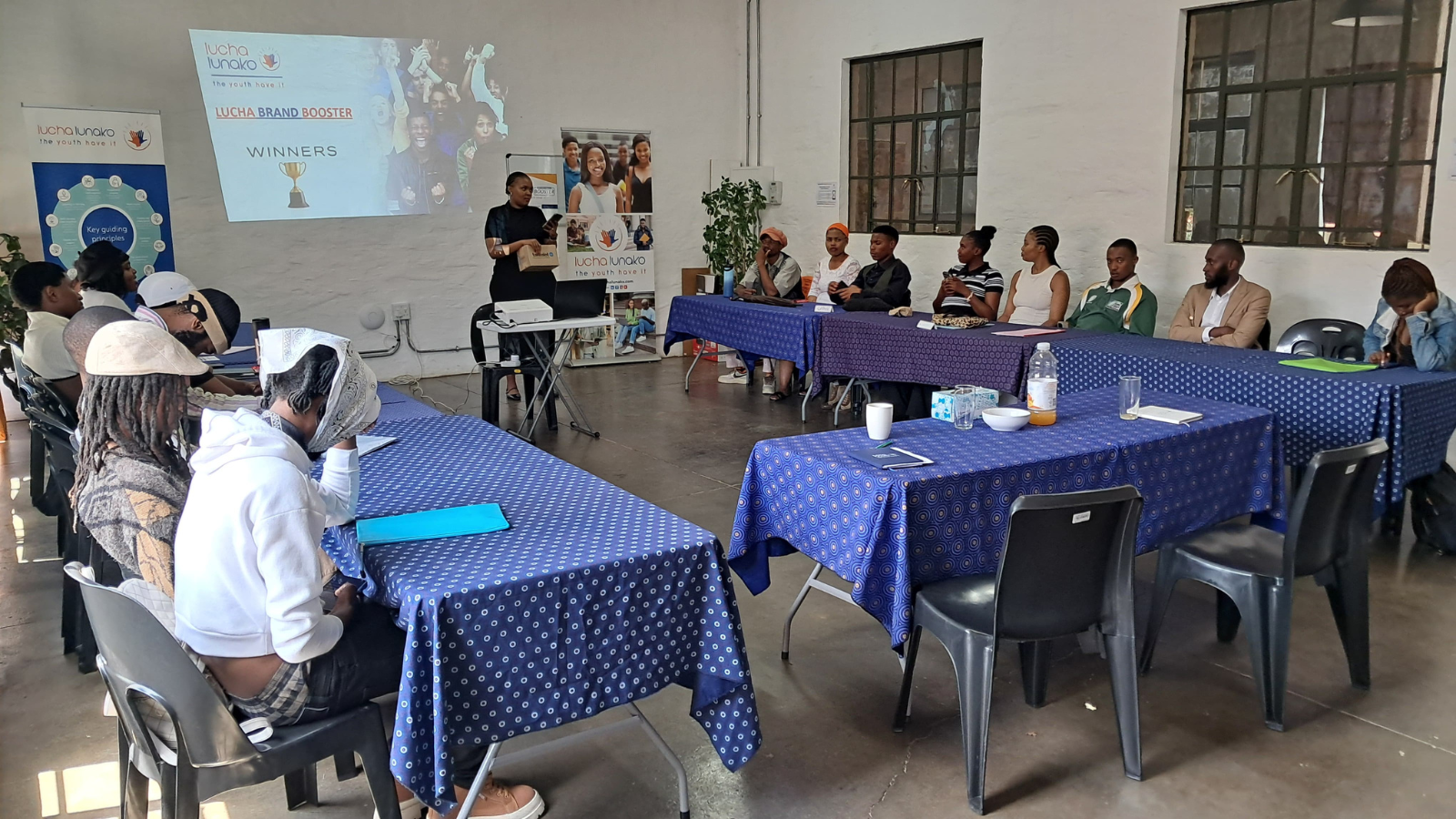
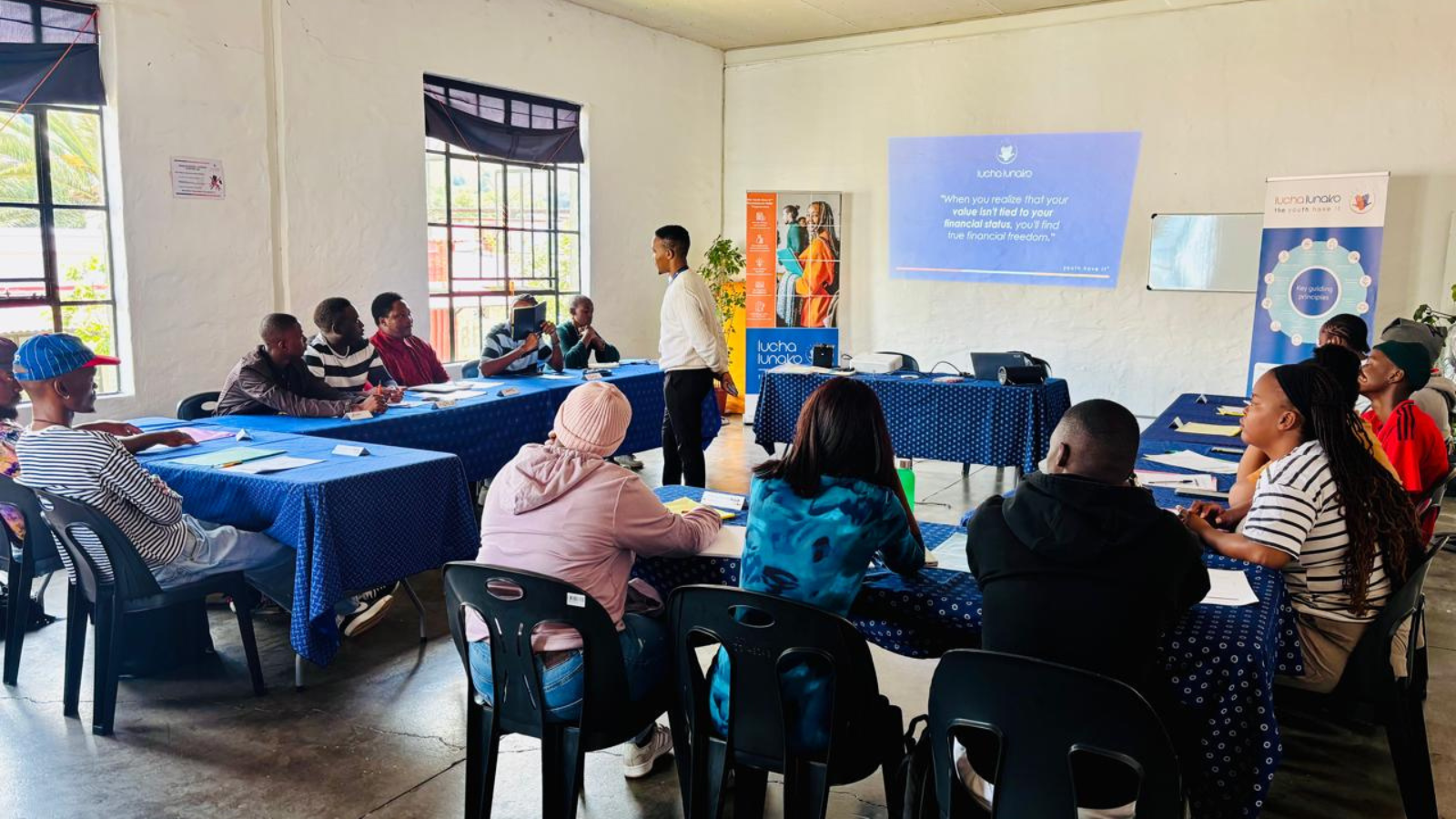
Lucha Lunako provides the personal development element, which is integrated into the YES Youth programme to provide holistic growth for young professionals. The work placement opportunities that come with the partnership ensure that the youth are engaged in meaningful work that contributes to the host company’s bottom line from day one, while equipping the youth with necessary life skills during this transition into the labour market.
Why Invest in Yes Youth?
For the broader South African private sector, investing in the YES programme transcends traditional Corporate Social Investment; it is a strategic imperative for long-term economic stability. In an era where Environmental, Social, and Governance (ESG) criteria dictate investor confidence, a high impact YES programme serves as a tangible, data-driven proof point of a company’s commitment to sustainable national transformation.
Shifting Gears: Upgrade Your B-BBEE Level through YES Initiatives
1. The Three Tiers of B-BBEE Enhancement
Companies can move up by as many as two full B-BBEE levels depending on the intensity of their participation:
Tier 1: Move Up One Full Level
- Requirement: Meet your set YES youth employment target and achieve a 2.5% absorption rate (offering permanent/full-time employment) at the end of the 12-month cycle.
Tier 2: Move Up One Level + 3 Bonus Points
- Requirement: Achieve 1.5 times your YES target and reach a 5% absorption rate. These bonus points are particularly valuable for companies sitting on the “cusp” of another level.
Tier 3: Move Up Two Full Levels
- Requirement: Double (2x) your YES target and achieve a 5% absorption rate.
2. Immediate Recognition Concession
One of the most attractive immediate benefits is the first-year participation concession.
Speed to Level-Up: In the first year of participation, the Department of Trade, Industry and Competition allows businesses to receive their level-up recognition as soon as the youth are contracted, provided this happens before the company’s financial year-end.
Delayed Absorption: While absorption is a requirement for recognition in subsequent years, first-year participants are often given leniency to claim the level-up while the youth are still completing their 12-month work experience.
3. The Great Re-Gainer (Priority Element Buffer)
If your company fails to meet a 40% sub-minimum in any priority element (Ownership, Skills Development, or ESD), they are automatically penalised by dropping one B-BBEE level. Participation in YES is one of the only ways an entity can regain a penalised level. By meeting YES targets, a company can effectively cancel out a sub-minimum penalty and still potentially move up an additional level beyond their original score.
“Our involvement in youth development is about creating a legacy. We don’t just want to mine in these areas; we want to leave behind a community that is more skilled and resilient than we found it.” — Redpath Corporate Statement.

Best Practices for Sustainable Impact
To mitigate common pitfalls such as drop-off rates and compliance fatigue, here are some implementation strategies to consider when thinking through how to effectively participate in YES Youth initiatives:
- Combatting Churn: By paying above the minimum wage and gamifying retention (incentivising youth to pass the critical 8-month mark), the programme ensures stability.
- Factoring in Mobility: Transport costs are a major driver of early exits. The solution would be to account for these hidden costs to ensure the R5,000–R6,000 monthly stipends remain sustainable for the participants.
Lucha Lunako is well-positioned to strategise youth development incentives for private entities to ensure a win-win investment. The partnership with Redpath Mining gives an excellent example in this regard.
The Bottom Line
For Redpath Mining South Africa (Pty) Limited, youth development is an exercise in sustainability. By leveraging the YES programme, the company is turning a social imperative into a competitive advantage, proving that when you invest in the youth, you aren’t just mining for minerals, you’re mining for potential.
“Our people are our greatest resource.” – Anika Groenewald, HR Manager Africa


