
The Pop Art x Lucha Lunako Partnership: A Masterclass in Workforce Development
For the corporate sector, investing in the arts has evolved. Shifting from philanthropy to Human Capital Development and Narrative Intelligence. By partnering with POP Art Theatre, businesses gain access to a refined Fail Forward culture that produces the precise kind of entrepreneurial thinkers required in the 2026 marketplace.
For POP Art Theatre, agility and innovation are more than buzzwords; they are tangible outputs of a high-impact incubator that is quietly redefining the South African creative economy. The 40-seater venue operates at the intersection between creativity and business.
A Glimpse Behind the Wings: Pop Art Theatre
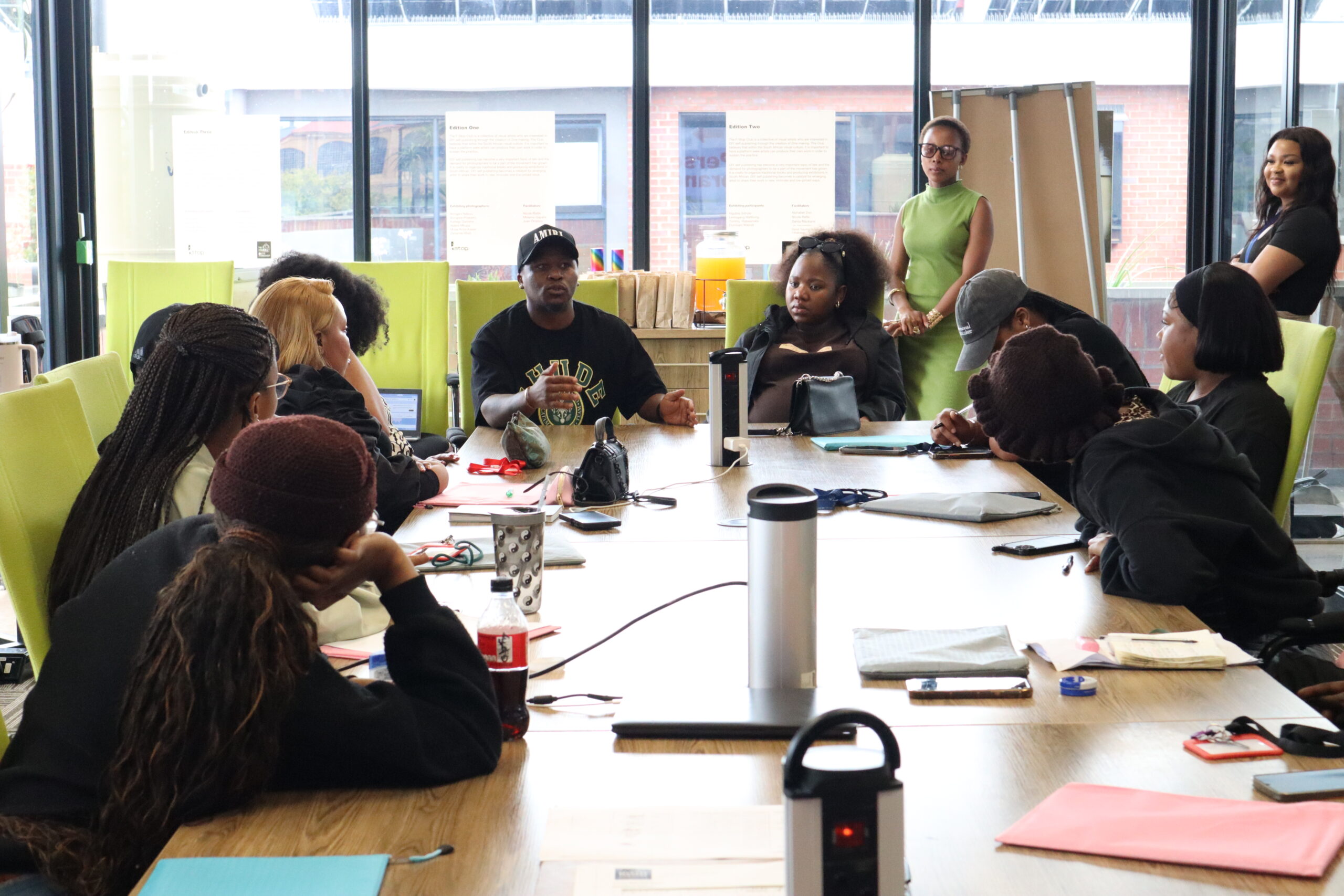
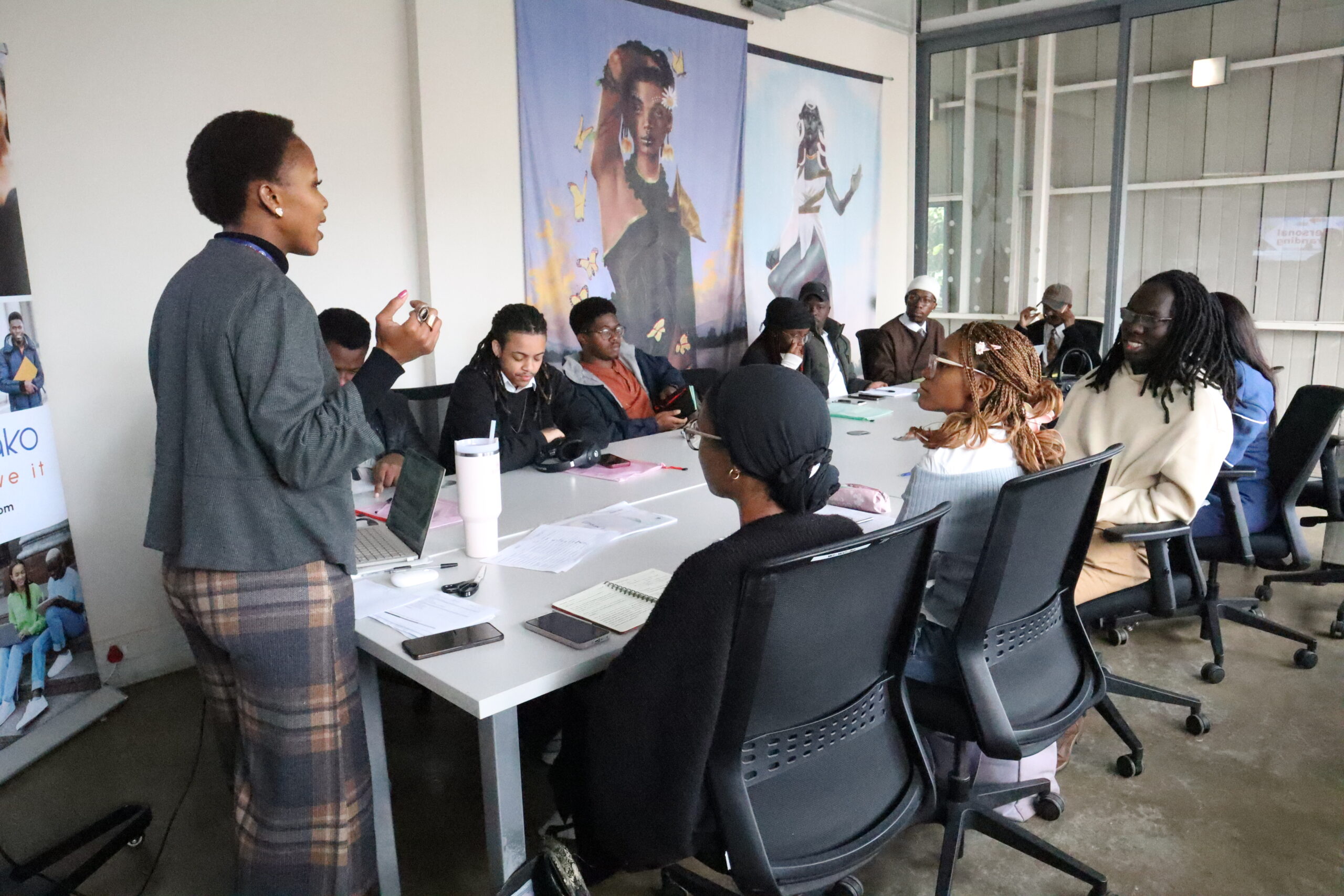
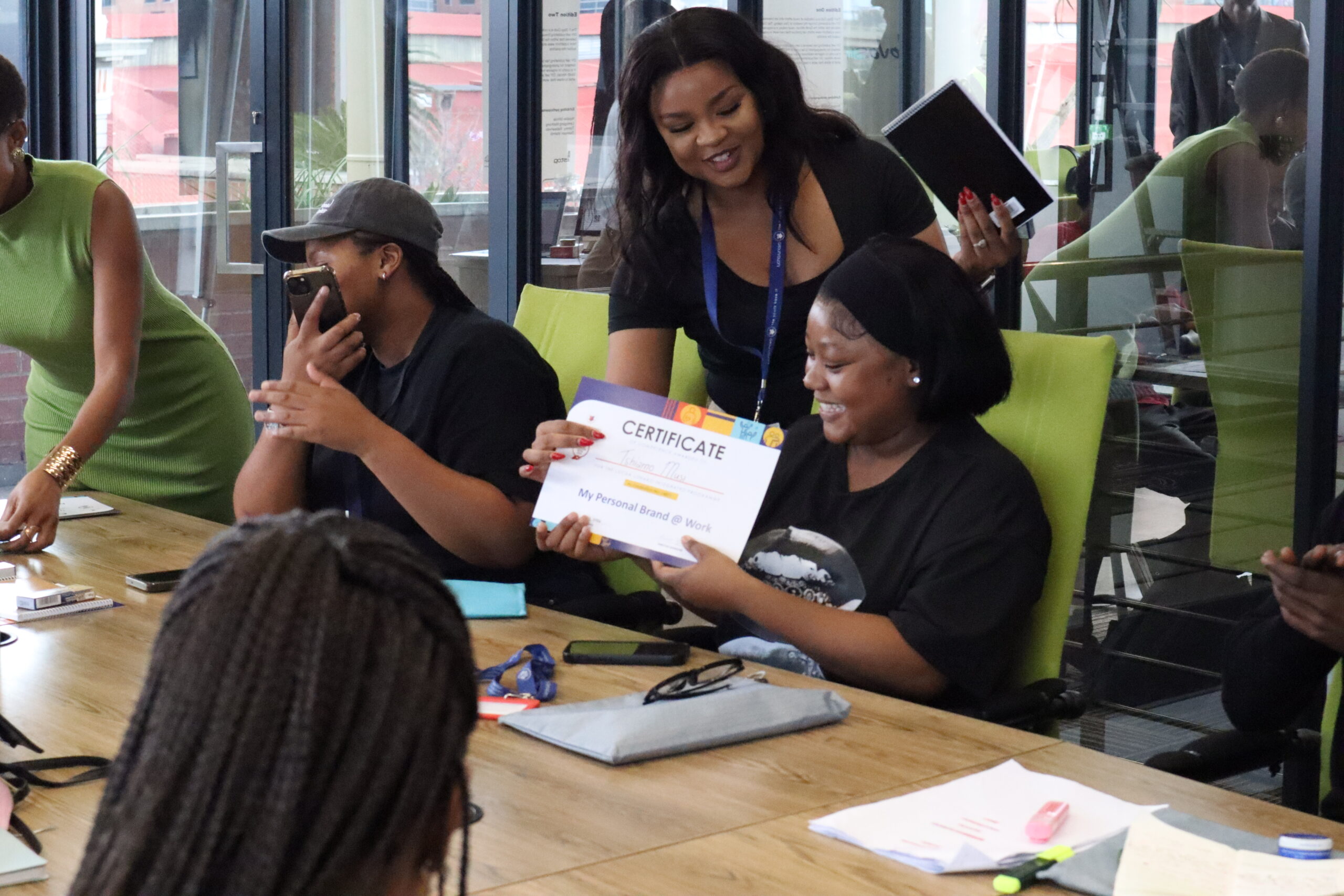
Through a long-standing partnership with Lucha Lunako, Pop Art has hosted young professionals in structured, 12-month placements designed to immerse them in the full ecosystem of running a creative business.
Over the past six years, 6 young professionals have been funded through this partnership, each gaining paid, hands-on experience across production, marketing, technical operations, and business administration.
This is not simulated work. It is real delivery, with real stakes. Pop Art’s model is built on a fail-forward philosophy, creating space for young professionals to experiment, make mistakes, and build confidence through doing. In larger institutions, where risk is tightly managed, this kind of learning is difficult to replicate. But in smaller, agile environments, it becomes a powerful engine for growth.
The Challenge in the Creative Sector
Small and medium-sized businesses are critical to youth employment but often lack the capacity to train or absorb talent effectively.
In the creative sector:
- Much of the work is freelance and project-based
- Permanent roles are limited
- Training requires time, cost, and supervision
For Pop Art Theatre, the challenge was clear:
How do you develop young professionals meaningfully without compromising business operations?
At the same time, young professionals faced a parallel issue:
How do you build a sustainable career in an industry where jobs are not guaranteed?
What Do Corporates Have to Gain by Investing in the Creative Sector?
In the modern global economy, the lines between business, community, and culture are no longer just intersecting; they are merging. For the forward-thinking corporate entity, the creative sector has become a powerhouse of social capital, brand differentiation, and economic innovation.
Pop Art Theatre not only seeks young professionals from established theatre pipelines, but also those from different disciplines who show professional presentation, know-how and a willingness to learn. In this manner, they are able to build a truly diverse cohort.
A Holistic Skills Matrix
Unlike traditional internships that silo talent, POPArt’s learning and failing forward philosophy ensures that every young professional masters a multi-disciplinary stack:
- Technical & Logistics Management: Precision-oriented operations under high-pressure, live environments.
- Strategic Marketing: Audience development and service-based strategy.
- Business Administration: The “nuts and bolts” of running a lean, sustainable independent entity.
- Partnership Engineering: Learning to build end-to-end production value through collaboration.
Pop Art provides practical experience from day one with a minimum wage stipend for entry-level positions and hands-on, scope-based roles designed to prepare young professionals for the industry upon completing their cohort.
“We look for people who can articulate why this benefits them and how they fit. In an entry-level position, you need a broad idea of the industry. Our interview process is less about a rigid checklist and more about ethos, ethics, and brand alignment.” — Hayleigh Evans, Pop Art Theatre Co-Founder

The ROI of Creativity: Why Corporates Benefit
Investing in the creative sector, specifically through hubs like POP Art, offers multi-layered returns that transcend traditional financial metrics.
1. Brand Resonance and Authenticity
In an era of purpose-led marketing, consumers are increasingly loyal to brands that contribute to the cultural fabric. By supporting the arts, corporates can make the move from being a mere service provider to a cultural patron. This builds emotional equity with an audience that values authenticity and social contribution.
2. Driving the Creative Economy
The creative economy accounts for 2.97% of GDP in South Africa. This sector is a vital engine for job creation, particularly for youth and women. Corporate investment helps formalise this industry, turning “starving artists” into sustainable entrepreneurs who, in turn, become part of a thriving consumer base.
3. Innovation and Soft Skills
The skills fostered in a theatre like POP Art, such as improvisation, empathy, collaborative problem-solving, and storytelling, are exactly what corporates of today need in their leadership teams and client-facing roles.
Partnerships can extend beyond sponsorship into:
- Corporate Workshops: Using performance to teach communication and agility.
- Creative Facilitation: Using “POP Speakers” to lead high-stakes corporate discussions.
4. Social Cohesion and ESG Goals
Arts and culture are uniquely positioned to address complex social issues. POP Art’s mandate includes expanding empathy and addressing underrepresented stories. For corporate, this aligns perfectly with ESG criteria and CSI targets, providing measurable impact on social mobility and intercultural understanding.
In a freelance-heavy industry, success is not defined by permanent employment. Instead, it looks like sustained economic activity: young professionals who leave with a clear sense of direction, access to networks, repeat work opportunities, and the ability to operate independently.
The Road Ahead: Barriers and Support
Despite their success, the team is vocal about the hurdles young professionals face.
To take their impact further, this is how Pop Art can be supported:
- Transport Subsidies: Solving problems on the ground, like transport for young professionals entering the Yes Youth programme.
- Seed Funding: Investment to help turn adjacent business units into sustainable, independent entities.
- Purchase tickets for theatre productions to support their work (could potentially be incorporated into a team building).
As companies rethink how they build talent pipelines, the question is no longer whether to invest in youth development, but how to do so in a way that reflects the changing workforce today.
The Pop Art and Lucha Lunako partnership offers one answer:
- Move closer to real work,
- Back smaller ecosystems,
- Measure success not by placement alone, but by sustained participation in the economy.
The Pop Art Legacy
Through ethical alignment and empathetic leadership, Pop Art Theatre is doing more than putting on plays. They are building a database of seasoned, tech-savvy, and business-minded creatives who know how to navigate the complexities of the South African arts landscape. In this 40-seater venue, the future of the industry is being rehearsed every single day.
Ready to integrate creative intelligence into your corporate strategy? Connect with POP Art Theatre today to discuss high-impact partnership opportunities.
To learn more about this partnership, read the Case Study.


