
The Cost of Showing Up: What a Catch-Up with Our Market Theatre Cohort Taught Us About Mobility Tax
At Lucha Lunako, our core mission is to provide and promote sustainable pathways for youth economic participation. As an advocacy company, we know that real change doesn’t start with slick brochures or sensational statistics. It starts when we are willing to look at the raw data, listen to the lived experiences of our youth and have the difficult discussions to ensure that the support we provide isn’t merely theoretical; it’s tangible.
We recently sat down for a catch-up with two members from our 2025 YES Youth cohort who were placed at the iconic Market Theatre. We wanted to see how they were doing, how they had grown and how they were navigating the transition into the broader economy.
Our key takeaways from our conversations:
- A profound sense of pride in the resilience of these young professionals
- Validation that our holistic development programmes are doing what they were designed to do, while having identified areas to be strengthened
- A grim reality check about the systemic bottlenecks of entering the workforce as a young person in South Africa
Proof in the Blueprint: Holistic Development in Action
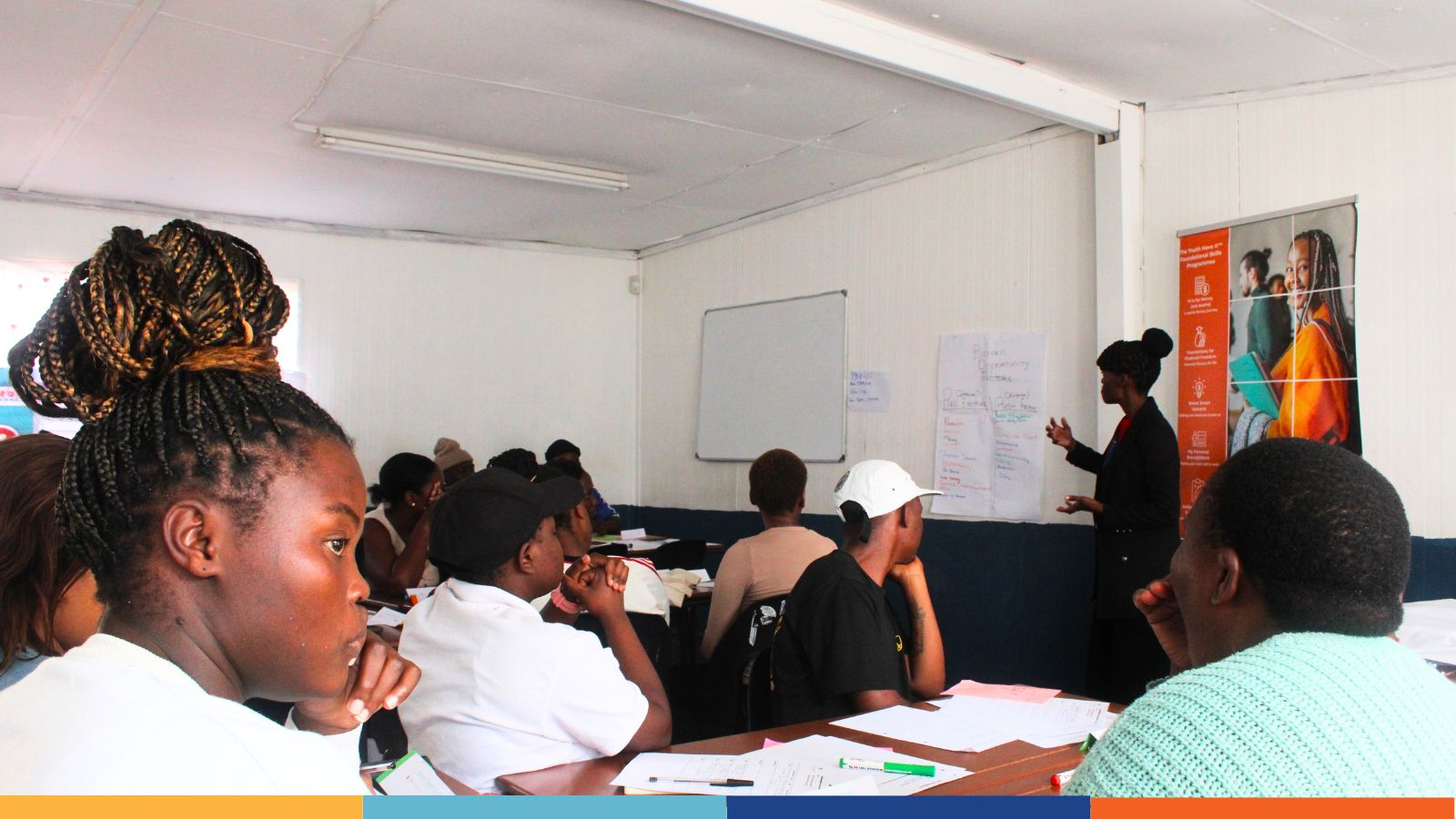
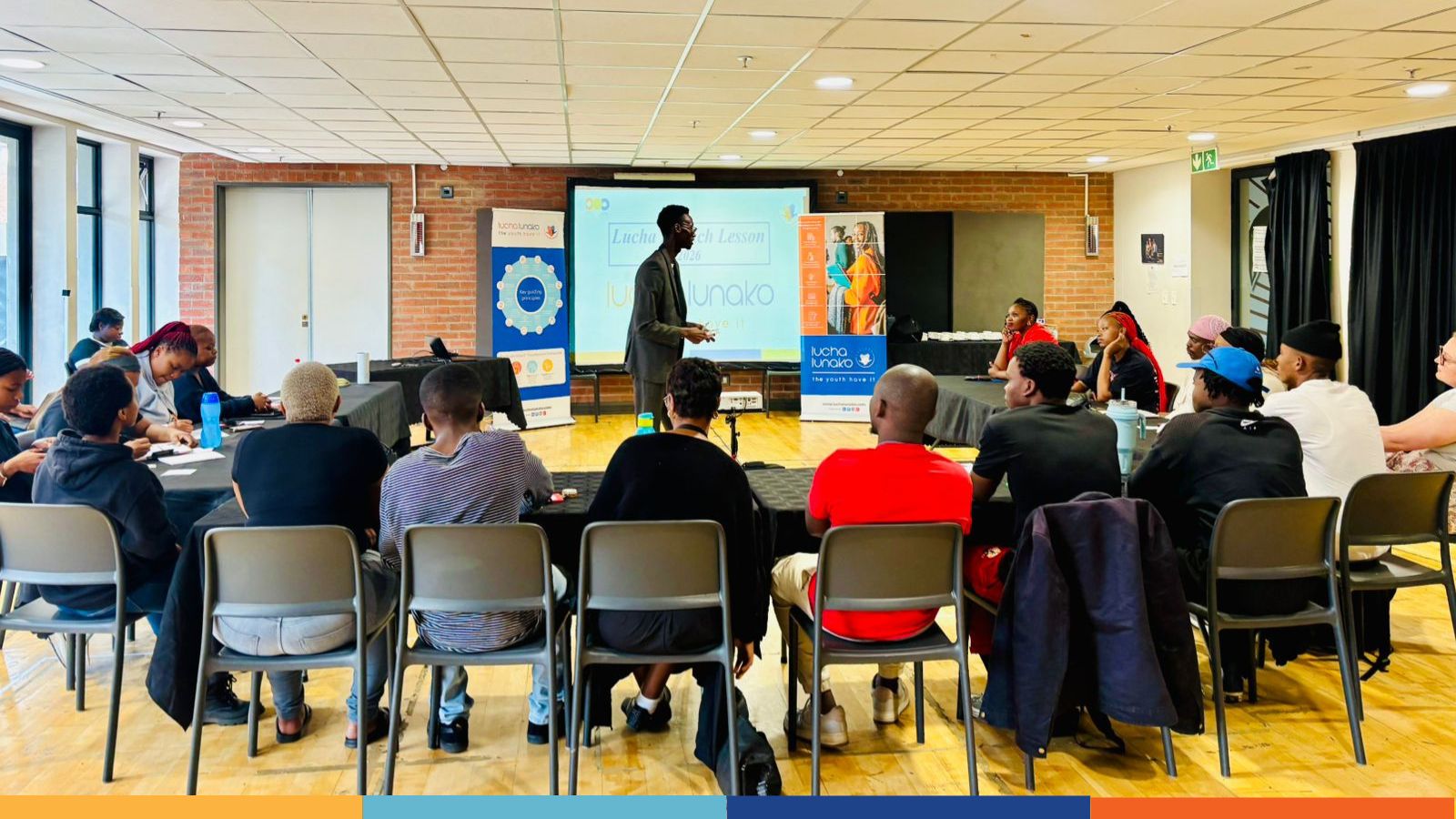
When we designed our youth development modules, we placed great value in the holistic development of the individual: mindset, professional conduct, emotional intelligence and financial capability. We deliberately moved away from the old playbook of just teaching isolated technical skills.
The catch-up proved that this intentional programme design works beautifully in the real world:
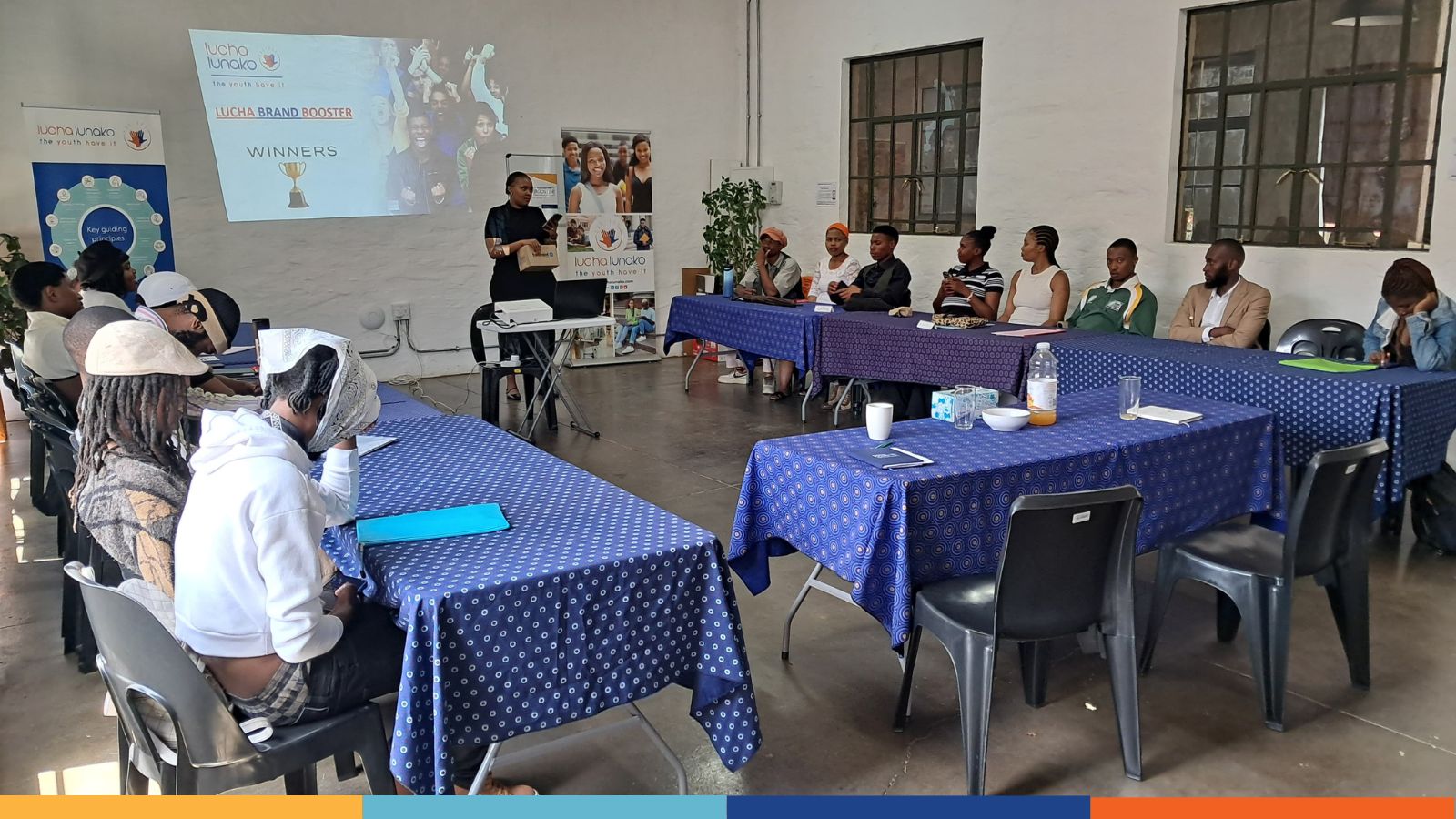
- Tsholo Shabe entered the Market Theatre as a technical lighting intern. He maximised the Personal Brand module, where he shifted his mindset from intern to entrepreneur, pitching an idea that landed him in the Top 3 in the internal Brand Booster competition. Today, he’s a Senior Audio-Technician, navigating a core corporate career while actively building independent income streams.
- Sagwadi Nukeri graduated with an IT diploma and put his studies to good use in a completely new and unexpected environment, broadening his perspective of opportunities to grow in his field. While he is still actively searching for a permanent client-facing or back-end role in IT, he runs his own tutoring company, teaching mathematics to Grade 8–12 students, applying the self-reliance and financial mindsets cultivated during his time with us.
Both of them credited our Foundations to Financial Freedom course as a complete wake-up call. It gave them a practical, usable blueprint to track money leaks, understand cash flow and commit to the non-negotiable rule of setting aside an emergency fund.
Although our programmes create a supportive foundation for youth to build their careers and tools to navigate the modern economy, the topic of financial literacy uncovered a deeper, structural problem that continues to stare us right in the face.
The Elephant in the Room: “Mobility Tax”
As we spoke to Sagwadi and Tsholo, a concerning paradox emerged. Through Lucha’s programmes, these youth are doing everything right. They are managing their time flawlessly, managing their cash flows and showing up with immaculate professionalism.
Yet, they are wrestling with a systemic cost that no amount of individual smart budgeting can fix.
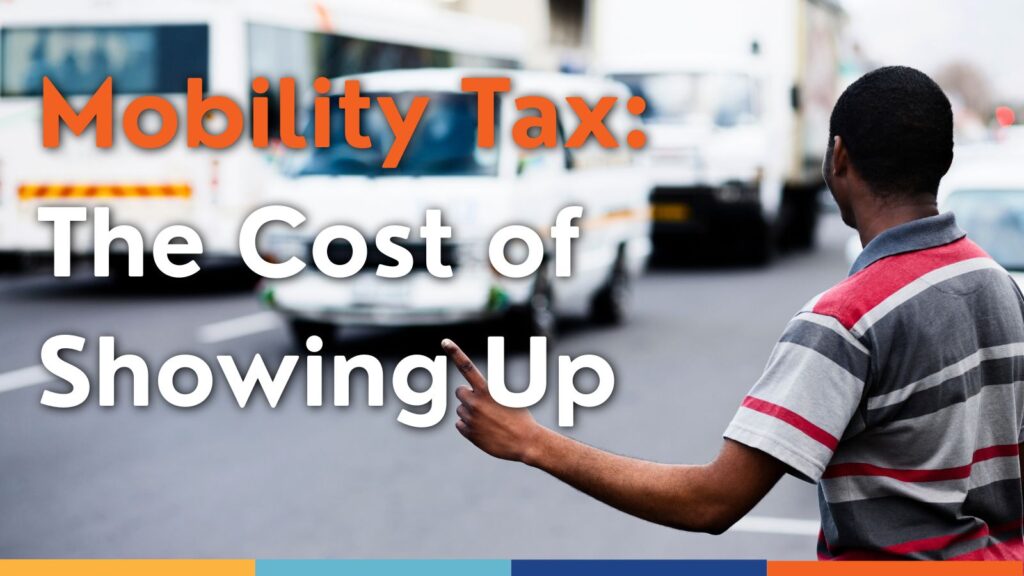
With the ongoing, aggressive fuel hikes hitting South Africans hard, public transport costs have skyrocketed. For youth living on the urban periphery, far from economic hubs like the Johannesburg CBD, the cost of simply getting to work has become an exorbitant tax.
We often talk about the skills gap as the primary barrier to youth employment. However, our catch-up proved that while Lucha can bridge this gap, the mobility tax remains the ultimate gatekeeper. Sagwadi’s response to this tax was radical: he uprooted his life and moved to the inner city. Think about the weight of that decision. To be closer to job opportunities and eliminate the crushing daily cost of long-distance commuting, he had to take on inner-city rent. He didn’t move because he wanted to; he moved because the transport tax on the periphery made economic participation mathematically impossible. This is true for several South African youth.
When a young person has to structurally alter their living situation just to afford to look for work, the system is broken. If transport costs consume the very stipend meant to uplift them, forcing them into survivalist trade-offs, we are asking them to perform a daily economic miracle only to live hand to mouth.

Shifting from Isolated Solutions to Collaborative Action
This realisation is precisely why we are sharing these insights. At Lucha Lunako, we have proven we can design and execute highly relevant, deeply impactful programmes that shift youth mindsets and prepare them for the future. Host institutions like the Market Theatre have proven they can provide practical experience for various skill sets.
But we cannot redesign the geography of South African cities alone. If the physical and economic infrastructure makes it financially painful for youth to travel to the opportunities we create, forcing them to choose between high transit costs or high inner-city rent, the system remains fragile.
This is a call for collaborative problem-solving. The mobility tax is too big for any single NGO, host employer, or corporate sponsor to solve in a silo. It requires a collective groupthink approach from everyone who has a stake in South Africa’s future workforce.
We need to take the same collaborative energy that Lucha brings to curriculum development and apply it to logistical infrastructure:
- How can corporate sponsors and development partners collaborate to co-fund centralised mobility pools or inner-city housing/transport subsidies?
- Can we partner with logistics and micro-mobility tech platforms to create dedicated transport credits for entry-level talent?
- How do we restructure stipend models so they aren’t instantly swallowed by macro-economic shocks like fuel inflation?
Let’s Have the Hard Conversation
Sagwadi described the transition after the 12-month internship as “painful”, yet he is responding proactively by running his own business, using his skill set to provide a service that addresses a need in the market. Tsholo is navigating his new employment while building his brand in his industry. Both of them understand that the best way to survive the modern gig economy is by building multiple income streams.
But to get to either destination, a permanent contract or a thriving entrepreneurial venture, our youth first need an ecosystem that doesn’t penalise them just for trying to show up.
The youth of the 2025 cohort proved they have the resilience, work ethic and brilliance to succeed. Our programmes proved that with the right tools, the youth can unlock incredible futures. Now, it’s up to the broader ecosystem, funders, corporate leaders and policy-makers to meet us halfway.
Let’s sit at the table, look at the logistics pragmatically, and co-create solutions that don’t just train our youth for the future, but actually ensure they can get there. What are your thoughts? How can we collectively address the mobility tax in your sector?


