
Turning Red Flags Into Real Change: Reimagining Youth Mental Health Support
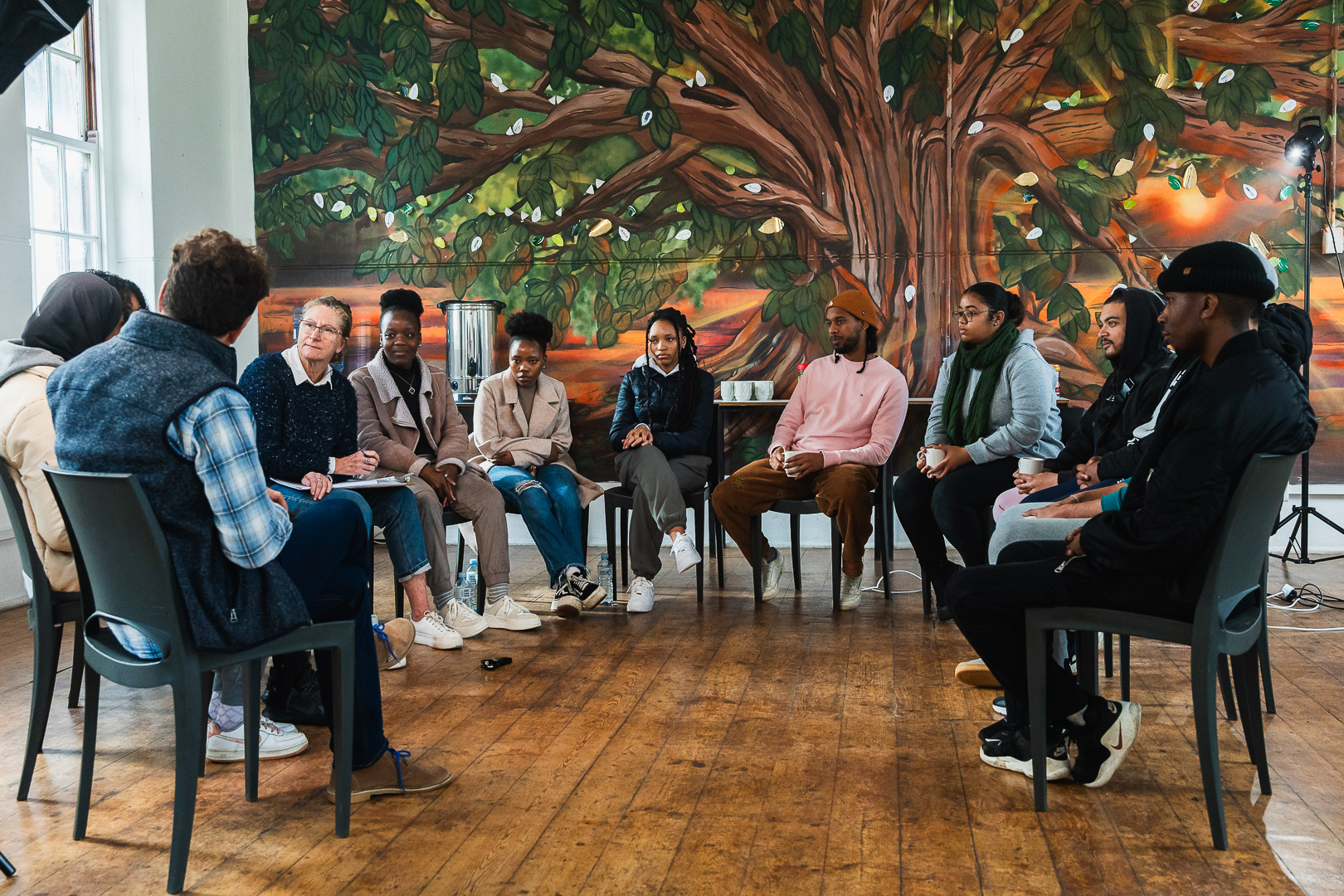
Although the world is forging innovative paths to overcome mental challenges, the statistics on mental health in South Africa remain deeply troubling. Recent data from the EAPA-SA 2024 report shows that at least 27% of adult South Africans face mental health issues such as depression, anxiety, or post-traumatic stress disorder (PTSD) during their lifetime.
A 2023 UNICEF survey highlights the urgent needs of young South Africans: a staggering 65% of youth aged 15–24 reported feelings of anxiety or depression. Those exposed to repeated adversity—whether extreme poverty or living in violent neighborhoods—are at greatest risk and most in need of targeted solutions.
As Alana Bond, co-founder and Director, points out, “For us, these numbers aren’t just health statistics. They’re red flags, indicators of a whole generation of South Africans under severe strain as a result of historic social and political ills. The unprocessed trauma carried by so many of our young people negatively impacts individual learning and employability, and hampers social cohesion. The reality is that you can’t build purpose on top of burnout and trauma.”
Building a Support Ecosystem
Lucha Lunako takes a holistic approach—blending whole-person development, mental wellness awareness with skills development and real-world support. Our expanding network of expert partners keeps us up-to-date, ensuring our youth receive powerful, lasting help.
“In South Africa, there’s been a significant rise in initiatives driven by workplaces, schools, communities, and youth development organisations such as ours, initiatives designed to help destigmatise mental problems and tackle the complex underlying causes: poverty, unemployment, and inequality. But much more needs to be done,” —Alana Bond, Director at Lucha Lunako.
The Bertha Centre at UCT Business School delivers nationwide capacity-building workshops, strengthening youth practitioners to support mental wellness. Their work champions robust mental health support, shares proven psychosocial strategies, and investigates the policy-level changes needed to make youth-focused mental health services more accessible.
HEAL SA brings free online support for a range of mental health conditions: depression, anxiety, stress, trauma, and relationship issues, prioritizing affordable, accessible care. They stand by every voice, committed to providing dignity and expert help, wherever a person may be.
Collaborative learning sessions with the Bertha Centre and HEAL SA are part of our ongoing commitment to learning and to ensuring our work helps young people move beyond past hardships, strengthen their emotional resilience, and build futures where wellness, in all its forms, feels natural and attainable.
Practical Steps Toward Wellness
Mental health doesn’t have a single solution, and every journey is personal. As our organization learns and grows, we’ve identified some key steps that consistently support wellness—and could spark a wave of positive change:
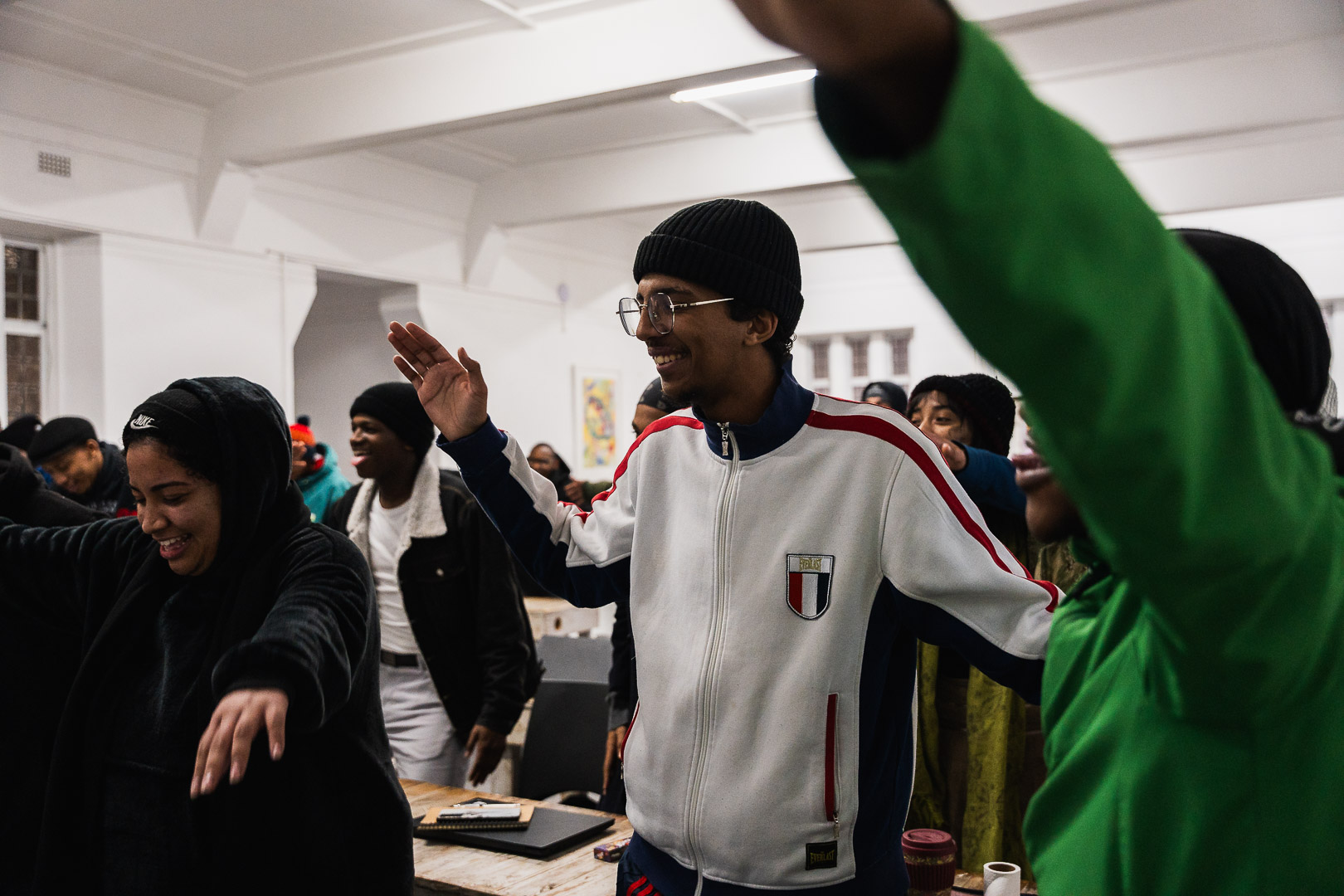
- Regular exercise lifts moods and unleashes a surge of neurotransmitters like endorphins, dopamine, serotonin, and oxytocin, counteracting depression and anxiety while boosting sleep and mental sharpness. The World Health Organization recommends 150 minutes of activity each week, whether walking, dancing, yoga, martial arts, cycling, swimming, or gardening.
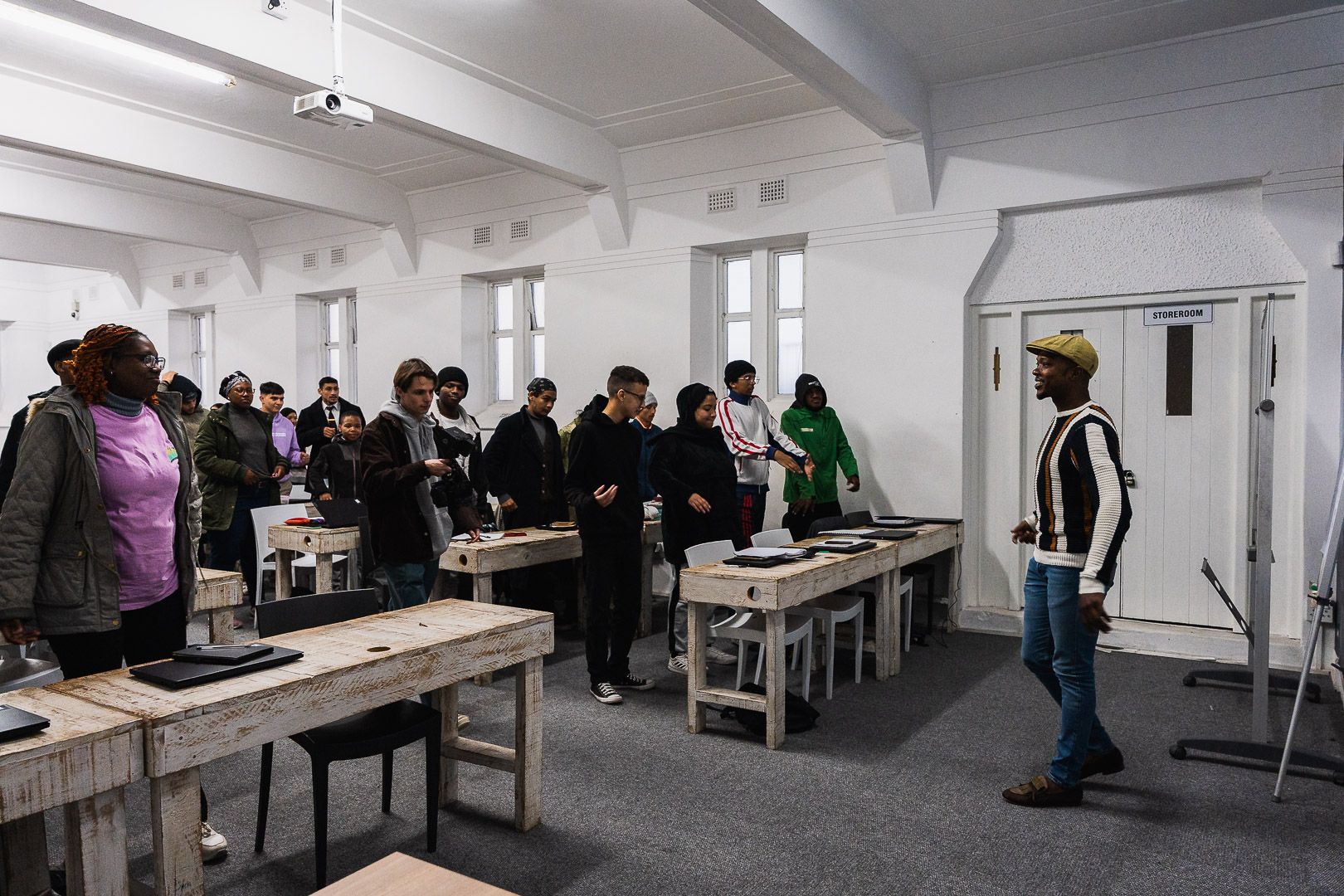
- Social connections can counteract loneliness and isolation. Activities—sports, clubs, crafts, games, and more—strengthen bonds and foster a sense of belonging. Programs such as SportSmart Futures, launched in March 2025, combine coaching, mentoring, and workshops for practical life skills and emotional growth.
- Speaking openly and erasing the stigma around mental health is accelerated by workshops and safe spaces that encourage sharing. The South African Depression and Anxiety Group (SADAG) stresses the importance of changing how we talk—ditching words like ‘mad,’ ‘crazy,’ or ‘insane’ for gentler, more understanding language.
- Spending time in nature lowers stress hormones and nurtures feelings of calm and connection. As Psychology Today notes, nature’s healing effects go beyond mood; barefoot contact with the earth can ease pain and stress, boost sleep, and energize the mind and body. Initiatives like Waves of Change help South African youth experience these transformations.
- Digital detoxes, purposefully limiting screen time, can bring clarity and balance, helping people escape the false ideals spread by social media and focus on their own strengths.
- Expressing gratitude brightens outlooks and boosts resilience, disrupting negative thoughts and triggering positive brain chemicals like dopamine and serotonin. Make gratitude a daily habit: notice good things, appreciate the people around you, and try journaling. A free 90-day gratitude journal is available online for those who want to start.
Progress and Possibility
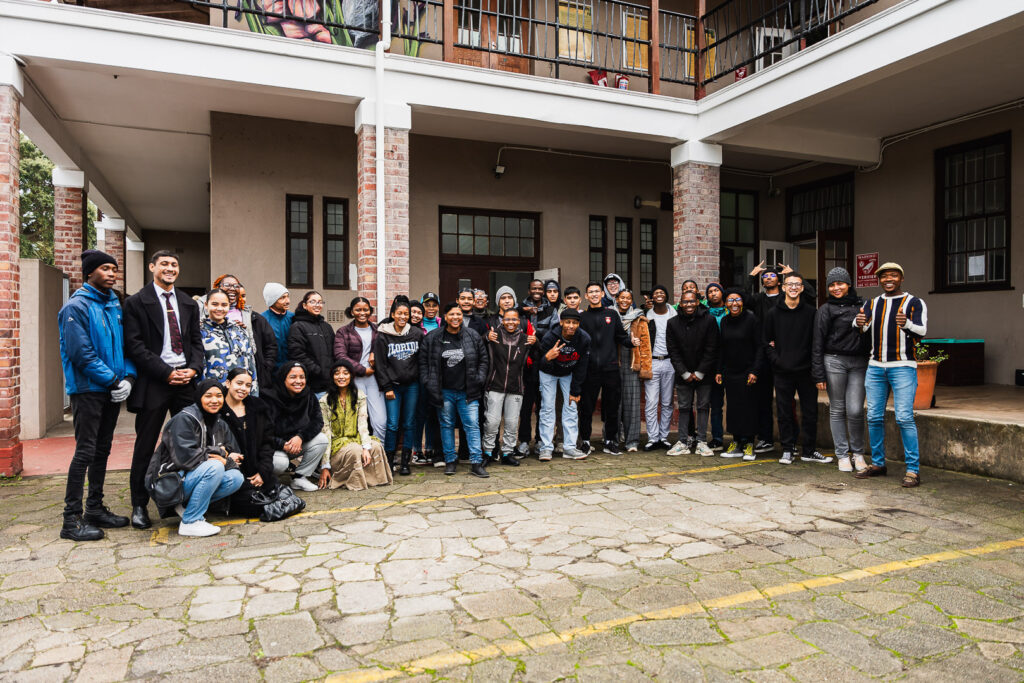
The journey forward is challenging but hopeful. According to the recent UNICEF U-Report, 63% of youth who needed mental health support tried to get help, but for many, the biggest barrier was simply not knowing where to turn. This is exactly why Lucha Lunako is committed to shining a light on youth mental health in South Africa, opening doors to the experts, tools, and systems ready to help.
In everyone’s sphere of influence, there are opportunities to break stigma and support mental health, whether it’s examining our language, sharing stories, or connecting young people to organizations IS making a real difference. Do you know of an initiative that’s helping South African youth thrive? Reach out and let’s work together!
Lucha Lunako is a dynamic youth development organisation dedicated to fostering the growth and success of young people through tailored programmes that boost employability and self-employment. For more info, visit luchalunako.com.
For mental health support, contact The South African Depression and Anxiety Group (SADAG) helpline: 0800 12 13 14.


